Why memory chips went on allocation, and how to buy through it
AI data centers are absorbing the world's memory. Prices nearly doubled in a quarter and lead times passed 40 weeks. How the shortage works and how to buy through it.
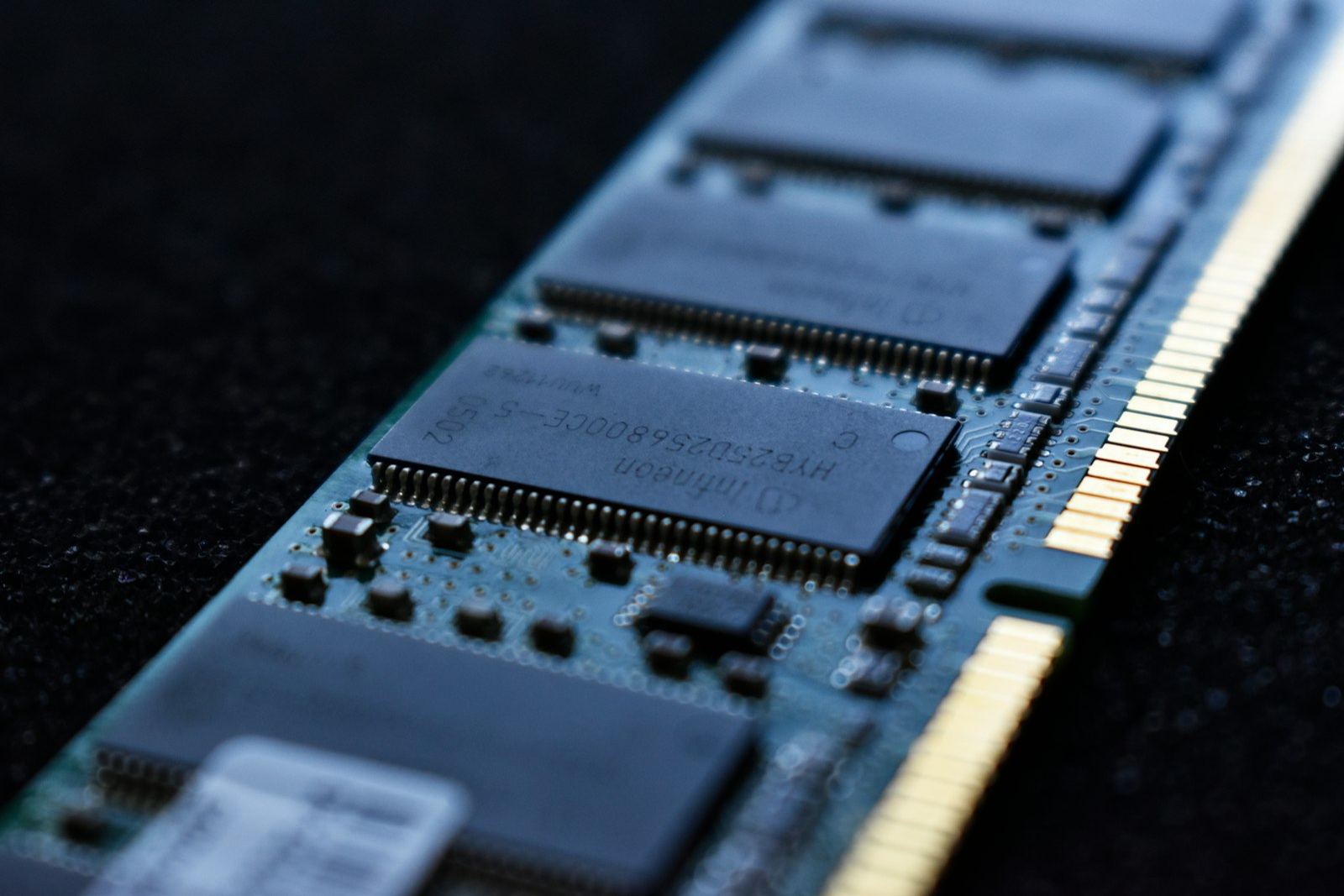
If you buy anything with a processor in it, a controller board, a gateway, a vehicle module, a medical device, you have probably had the email this year: a memory part is on allocation, the price has gone up, and the lead time is now measured in quarters.
This is not a passing blip. It is the tightest memory market in years, and industry analysts do not expect real relief until late 2027 or 2028.
The numbers
- Prices: DRAM contract prices rose roughly 90% in the first quarter of 2026, and another 58 to 63% in the second. NAND flash is now rising faster, 70 to 75% quarter on quarter.
- Lead times: DDR4 and DDR5 lead times are beyond 40 weeks, and automotive memory beyond 58 weeks. The major manufacturers report order books committed well into 2027.
- Inventory: the industry’s stock of memory, about 31 weeks of cover in normal times, has fallen to under eight. That was the cushion that absorbed a forecast change or a surprise order.
- Sold out: SK hynix’s entire 2026 production of DRAM and NAND is reported to be sold, to AI customers.
Why it happened
Memory is made on wafers, and wafer capacity is fixed in the short run. The three companies that make most of the world’s DRAM, Samsung, SK hynix and Micron, have moved that capacity toward high-bandwidth memory (HBM), the stacked memory that sits beside AI accelerators in data centers.
HBM demand is expected to grow about 70% this year, and it now takes about 23% of all DRAM wafer output, up from 19% last year. Each HBM stack is several DRAM dies bonded together, so every AI server ties up far more wafer than the memory in a laptop or a controller. Industry estimates put AI data centers on course to consume up to 70% of the memory chips produced this year.
Every wafer that goes to HBM is a wafer that does not become the DDR4 in your industrial controller. And new fabrication plants take years to build: the new capacity being added is not expected in volume before late 2027 or 2028.
Who it hurts most
The shortage lands hardest on buyers with three things in common:
- Low volume. Allocation goes first to the customers who buy the most. A manufacturer buying a few thousand parts a quarter is at the back of the line.
- Older parts. Products designed around DDR4 or older memory compete for a shrinking share of a constrained supply.
- Long qualification. Automotive, medical and industrial products cannot swap a memory part without testing and paperwork, so they cannot easily chase what is available.
It also brings a familiar second problem: when franchised distributors run out, buyers turn to brokers, and the risk of counterfeit or remarked parts rises.
What buyers can do
- Find every memory part you buy. Not just the DRAM and flash on your own boards: eMMC, SSDs, and the memory inside modules and single-board computers you buy finished. Know which products each one goes into and how many weeks of stock you hold.
- Treat today’s price as the floor. Budget for further increases through 2027 rather than a return to last year’s prices.
- Get allocation in writing. Ask for committed quantities and delivery windows, not just a quote. A price with no committed quantity is not supply.
- Commit earlier and for longer. Multi-quarter agreements, placed now, are what put a buyer in line for allocation. Share a firm forecast with the supplier if it buys you a commitment.
- Hold more stock where a stoppage costs more than storage. For a part that would stop a production line, the carrying cost of an extra few months of inventory is usually the cheaper problem.
- Qualify alternates now, not when you run out. Work with engineering on second sources: other manufacturers, densities and speed grades that fit the design. Qualification takes months, which is exactly why it has to start before the shortage reaches your line.
- Authenticate anything bought outside franchised channels. If you must buy from brokers, use testing and inspection, and keep the paperwork.
The takeaway
This shortage is not caused by a factory fire or a bad quarter that will correct itself. It is a deliberate shift of capacity toward a customer, AI infrastructure, that is willing to pay more than the rest of the market. That makes it predictable, and it means the buyers who plan for 2027 now will be in a far better position than the ones who wait for prices to come back.